
Doctor vs Tribunal: Dr Caroline Wheeler’s HPDT Hearing Report February 2026

Dr Caroline Wheeler was in the Health Practitioners Disciplinary Tribunal (HPDT) on 16-17 Feb 2026 to defend charges in relation to the prescription of an approved medication – ivermectin. Her Tribunal is the latest in a line of dissenting and conscientious health workers being prosecuted.
Caroline’s dedicated thirty year career in family and integrative medicine has come to a jarring halt for legally prescribing ivermectin.
Of note, and like nearly all the doctors disciplined so far, she was an original signatory of our first several open letters of concern to the Medical Council of New Zealand (MCNZ), then headed by the man who defined the novel genetic injectables as a “zero-risk medical product”. Signatories all received a warning letter from the MCNZ.
Background
Caroline Wheeler was investigated by the Medical Council over 4 gruelling years. No sooner had she won on one point than others were thrown at her. The process was so exhausting and ludicrous – and not based on any science or logic – that, 6 months ago, feeling utterly tortured, she asked her lawyer to withdraw from the gruesome process if she accepted the charges against her. He complied with her wishes but managed to get several other allegations against her thrown out.
One example of the many ludicrous allegations against her: Two years into the process, Dr Wheeler agreed to sign a ‘voluntary undertaking’ (VU) not to prescribe ivermectin for covid infections. This left the door open for her to prescribe it for vaccine injuries, where it can prove very helpful. Many of these sufferers are ignored or denied by the medical system, which leaves them few options. However, when Dr Wheeler prescribed ivermectin for such a patient, the MCNZ decided she had broken her VU. At that time vaccine injuries were not recognised as such but were called “long covid” and other euphemisms.
Only many months later was this allegation against her dropped, when vaccine injuries began to be accepted for what they were, instead of being labelled “long covid” (which conventional medicine says it has no curative treatments for anyway).
Ivermectin
Ivermectin has been used as a medicine in humans since 1987 and has an excellent safety record. In 2015 the scientists who discovered it (William C. Campbell and Satoshi Ōmura) received a Nobel prize in 2015 for their work. It is on the WHO list of essential medicines and billions of doses have been taken world-wide with very few side effects. Its safety is well established. In NZ, ivermectin (Stromectol brand) has been approved for use to treat scabies and other parasitic diseases. That makes it an ‘approved medicine’.
Despite significant international evidence of its effectiveness for treatment of covid-19, Medsafe did not receive any applications from pharmaceutical companies to have ivermectin approved as a medicine to treat covid-19 so it has not been assessed for this purpose. Therefore despite being an ‘approved medicine’, it is not officially approved as a treatment for covid-19 in NZ.
Off-Label Prescribing
However, it is perfectly legal and a frequent occurrence – studies suggest 40% of all prescribing – for a medicine to be prescribed ‘off-label’. This means an approved medicine being prescribed for a use the pharmaceutical company did not study and request approval for. Most doctors would prescribe ‘off label’ on a daily basis – one example being quetiapine (an antipsychotic drug) used as a sleep aid in low doses.
The Complaint
In this case the original complaint came from Dr Pamela Hale, a medical practitioner who was also a member of the MCNZ at the time. The complaint did NOT come from the patient.
A well-informed patient who had researched the pros and cons of ivermectin requested a prescription for use if/when he caught covid-19. A prescription was provided in Nov 2021 and the medication was taken in July 2022 when the patient contracted covid-19.
Unfortunately the patient (who had a history of epilepsy) had a seizure two days after finishing the five day course of ivermectin which he took when he contracted covid-19. He went to the Emergency Department where Dr Pamela Hale informed him that it was the ivermectin that had caused his fit. Then she laid a formal complaint to the Medical Council saying that Dr Wheeler had harmed the patient with ivermectin. MCNZ took two years of investigation before it engaged an expert witness who confirmed that ivermectin does not cause fits. It is noteable that ivermectin has been prescribed to more than a million epileptics with no documented increase in fits and the WHO have considered it safe to give ivermectin to epileptics.
Following the initial complaint, the MCNZ and Professional Conduct Committee (PCC) found out that Dr Wheeler had written other prescriptions for ivermectin and decided to investigate these as well. The tribunal had notes for 16 of these. It is not clear whether these patients consented to having their notes scrutinised by the MCNZ. None of these patients have complained or been harmed.
The Patient
Dr Wheeler’s patient, who sparked the complaint by Dr Hale, has found himself unwittingly the subject of this tribunal with some of his medical details aired in a public hearing. He has never complained or expressed concerns about the treatment he received. This is common to all our witch-hunts, by the way.
The Tribunal and Legal Counsel
The Tribunal members were Dr Ryan Radecki (ED consultant trained in US), Dr Laura Chapman (physician trained in UK), Mr Gregor Allen (Chair), Mr Chris Nicol (layperson), Dr Julia Martin (rheumatologist trained in NZ). There were no GPs and no functional or integrative medicine doctors.
Legal counsel for the MCNZ’s PCC were Mr Simon Waalkens and Mr Joseph Perrott. Legal counsel for Dr Wheeler via MPS (Medical Protection Society) were Mr Harry Waalkens KC and Ms Emily McCullough.
An observer from the MCNZ was present.
The Charges
The MCNZ’s Professional Conduct Committee (PCC), following a four-year-long, drawn out process, referred Dr Wheeler to the HPDT to defend various charges. There were 18 ‘particulars’ or charges relating in various ways to the prescription of ivermectin to the single named patient and 16 other patients who were prescribed ivermectin. Some of the particulars related to the prescription itself or to requirements for informed consent, others to the quality of the history taking and record keeping, or to not communicating with the patients’ GPs.
There was also a charge that Dr Wheeler contacted the patient after the complaint had been made, contrary to guidelines. The relevant clause (60) in Good Medical Practice states: “You must not withhold relevant information from any formal inquiry or inquest, or attempt to contact or influence complainants or witnesses except where directed by the relevant authority.” In this case the patient was neither a complainant nor a witness so there was no prohibition on contacting him.
The PCC insinuated that Dr Wheeler contacted him to influence the outcome of the investigation. However, in a statement that Dr Wheeler’s lawyer made, she had contacted the patient to check on his welfare as is the duty of a doctor, as well as to reassure him that there is no evidence at all that Ivermectin causes seizures, as the PCC eventually admitted.
There was significant criticism from the Chair of the Tribunal about the ‘and/or’ nature of the lengthy list of charges which made it very difficult to be certain exactly what the concerns or ‘crimes’ were. He recommended that in future the PCC be more specific when laying charges.
With regards to not communicating with patients’ regular GPs, many patients did not want information about prescriptions for ivermectin to be sent to their GP.
The Standards Referred To
The following are the standards that the PCC alleged Dr Wheeler disobeyed/did not comply with.
RNZGCP Statement on Ivermectin 3 Sept 2021
Medsafe Alert Communication 6 Sept 2021
One of the Tribunal members asked repeatedly for the rule or law that prohibited prescription of ivermectin by NZ doctors, but no definitive answer was forthcoming. The above guidelines and statements were referred to but not one of these prohibits a doctor from prescribing ivermectin. They are merely recommendations that should leave room for a doctor to use his or her clinical experience and judgement.
Note that in Australia legislation was passed that formally prohibited doctors from prescribing ivermectin. This option was open to authorities in NZ but was not taken up.
Of note Dr Wheeler had requested to speak in front of the Medical Council during the PCC process, to ask them why they did not ban the use of ivermectin if they were so worried about its use. They refused to hear or even see her on the zoom call, so her lawyer asked instead. All the doctors declined to comment or ask any further questions which speaks for itself in our view.
The Science
There was no assessment of the science relating to the efficacy of ivermectin for use in covid, just an acceptance by the Tribunal that there was no evidence of efficacy. The courts and tribunals of NZ appear unwilling to, or incapable of, assessing scientific and medical literature and there is no other forum where this can occur in cases of disagreement.
Evidence for Legality of Prescribing Ivermectin
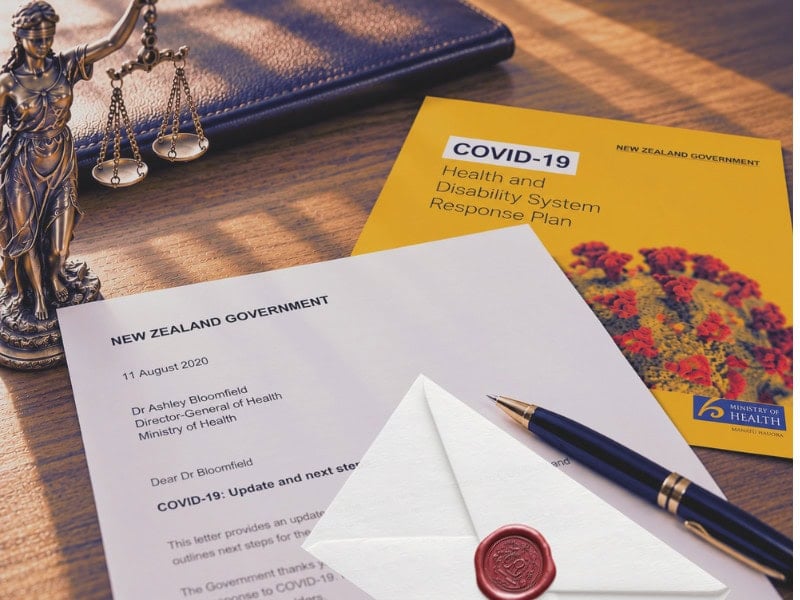
To back up the position that doctors were/are able to prescribe ivermectin, there are at least 6 OIA responses that repeatedly advise that doctors can prescribe ivermectin and other medications as they see fit as long as the patient is aware and informed that the treatment is not formally ‘approved’ and may not be the ‘standard of care’, and appropriate records are kept.
15 February 2021 Chris James Medsafe
“Section 25 of the Medicines Act 1981 permits authorised prescribers to prescribe approved medicines for unapproved uses.”
https://www.health.govt.nz/information-releases/covid-19-use-of-ivermectin
15 September 2021 Dr Ashley Bloomfield
(Speaking about various medicines to treat covid 19, not specifically ivermectin.)
“In the meantime, any of these medications can be prescribed by a doctor if they are indicated and if available here. Even if there’s not an approval through Medsafe, they can be prescribed off‐label.”
https://www.health.govt.nz/system/files/2022-03/h202112498_response.pdf
21 September 2021 Gill Hall
Group Manager, COVID-19 Science and Insights
COVID-19 Health System Response
“At present, the only approved medication for COVID-19 is dexamethasone tablets. For your reference, medical practitioners are permitted to prescribe any medicine for a particular patient in their care at their discretion; however, unapproved medicines have not been evaluated by Medsafe for safety and efficacy.”
https://www.health.govt.nz/system/files/2022-03/h202110964_response.pdf
26 October 2021 Chris James Medsafe
“Under Section 25 of the Medicines Act 1981, and within certain controls, authorised prescribers can prescribe any medicine (including ivermectin) for the treatment of a patient under their care.” This includes prescribing an unapproved medicine, or an approved medicine for an unapproved indication (“off-label” use).”
https://www.health.govt.nz/system/files/2022-03/h202113089_response.pdf
23 December 2021 Rachel Read Pharmac
“Medicines listed on the Pharmaceutical Schedule without restriction (open listed) can be prescribed for the treatment of any conditions, including COVID-19, where a prescriber feels it is appropriate.”
8 August 2022 Chris James Medsafe
“The Code of Health and Disability Services Consumers’ Rights places obligations on prescribers to ensure that all treatment meets ethical and professional standards. In prescribing an unapproved medicine or an approved medicine for an unapproved purpose, a prescriber must consider these requirements and should ensure a process of informed consent with the patient is carried out.”
https://www.health.govt.nz/information-releases/information-relating-to-ivermectin
‘Misinformation and ‘Anti-Vaxxer’
Unfortunately even in 2026, the words ‘misinformation’ and ‘anti-vaxxer’ were used in a legal setting by lawyers without any clarification of their meaning or intention. These are pejorative terms designed to shut down any discussion or conversation and diminish or dismiss a person. In our opinion they are not appropriate terms to be used by legal counsel and we were disappointed to hear them used.
The Outcome
Dr Wheeler was found ‘guilty’ (i.e. various, but not all, of the 18 charges were upheld) of medical malpractice and bringing discredit to the profession which together equals professional misconduct.
The Penalty
Each legal team provided their recommendations for penalties and made comments on suspension, censure, re-education, conditions relating to restrictions on future practice, fines and costs. The submissions from each side will be considered by the Tribunal which reserved its final decision. It was noted that the penalty was not meant to be punitive but rather was to mitigate future risks, in part by sending a warning to other practitioners.
The Audience
Nelson provided a very large (over 100 people) and colourfully turned out audience of supporters for Dr Wheeler, many of whom had been her patients. The start of the hearing was delayed due to the need to provide many more chairs than had been set out. There were also a number of doctors and dentists present witnessing the events, several of whom had been through similar processes.
The set-up of the room meant the lawyers had their backs to the audience which made it hard to hear them. Unfortunately a roving microphone was provided for only a small part of the hearing. Despite a number of questionable comments, omissions and findings made by the legal teams and Tribunal members, the audience remained very respectful and constrained which was commented on by the Chair at the end of proceedings.
A Political Performance rather than Genuine Clinical Concern
Readers might wonder why the MCNZ has gone, and continues to go, to such lengths to persecute the doctors who questioned or objected to the covid measures and tried to uphold their ethical principles.
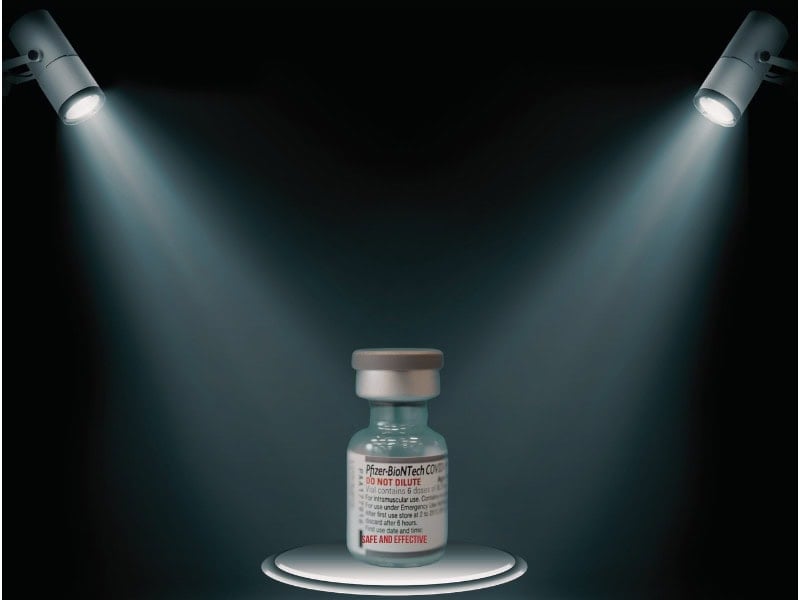
The covid ‘vaccines’ could not proceed if there were one or more effective medicines available. So anything that could treat covid-19 had to be eliminated. The Fact Sheet for recipients of the Pfizer vaccine in the United States contained the following sentence: “FDA (Food and Drug Administration) may issue an EUA (Emergency Use Authorisation) when certain criteria are met, which includes that there are no adequate, approved, available alternatives.”
In addition, if the doctors who objected to and warned about the covid measures and attempted to treat patients were found to be ‘not guilty’ or correct in their actions, there could be an implication that the doctors who went along with the measures without objection, were wrong. That would open a whole can of worms, so it is much easier to make an example of a few than to admit the profession got it wrong.
Double Standards
It was quite incredible to hear the lawyers and Tribunal members discussing the requirements for informed consent, note taking and need for a follow-up plan for a safe medication such as ivermectin, and then to ponder the outcome if the same scrutiny were to be applied to doctors (and others) who recommended and administered the covid vaccination – a novel, provisionally consented, dangerous pharmaceutical product…
Other Tribunals
This Tribunal follows those of many other doctors including Peter Canaday, Samantha Bailey, Sophie Febery, Alanna Ratna, Bruce Dooley and Tracy Chandler who all did their best to uphold medical ethics, discern the truth, protect patients and the public from dangerous aspects of the New Zealand covid response and provide treatment for covid infections. The proceedings have stretched over several years and all appear to have a predetermined outcome – criticism of the government’s covid response must be punished and transgressing doctors must be made examples of.
Two further Tribunals are scheduled for this year – Dr Bernard Conlon in Rotorua in March and Dr Matt Shelton in Wellington in September – and like Dr Wheeler, both are now 5 years since their respective first offences against the mass vaccination imperative.
Conclusion
What is the point of being a doctor if all doctors have to follow recommendations and guidelines and can’t use clinical judgement? Perhaps that is the point. But isn’t a ‘recommendation’ nearer to a suggestion, not a hard and fast rule?
However, being a sub-judicial court, the tribunal is still supposed to follow the laws of the courts, regarding due process, laws of evidence, human rights and natural justice. And so, anchored by the law, it must balance its actions with consideration of the Bill of Rights Act. But we see the Medical Council conducting a witch-hunt in the abusive charges it lays. MCNZ was never intended to act as it is now; it has become tyrannical and intoxicated with its own power, and is so beyond the pale that senior politicians must be called on to reign it in.
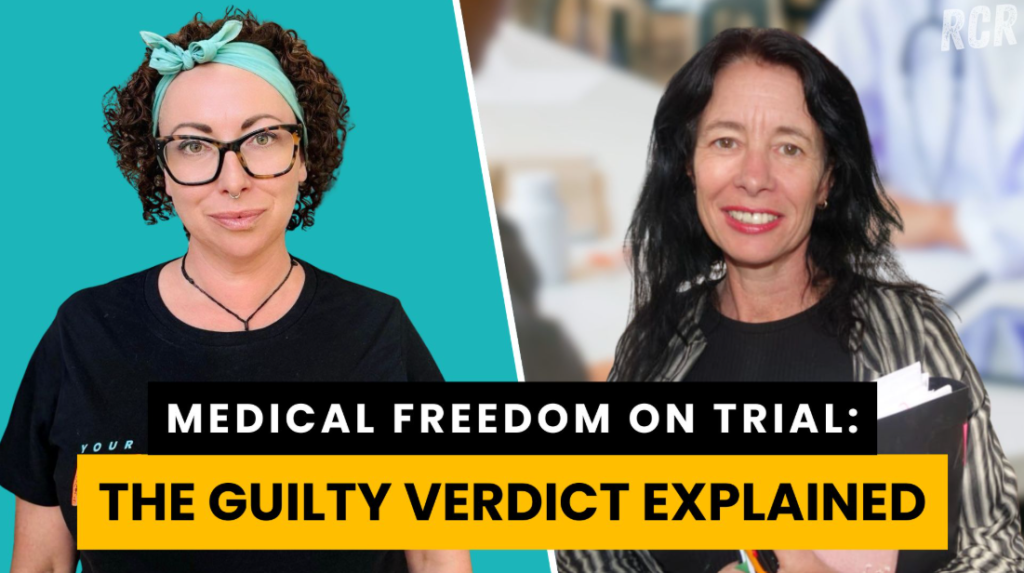
Watch: RCR Interview with Lawyer Sue Grey
https://rcr.media/episodes/sue-grey-medical-freedom-on-trial-the-guilty-verdict-explained








A declassified 1951 translation/summary (originally classified as CONFIDENTIAL) of a Soviet-era scientific article from the journal Priroda (Vol. XIX, No. 10, pp. 22-27). Titled “Biochemical Resemblance Between Endoparasites and Malignant Tumors”, it highlights observed biochemical and metabolic similarities between intestinal parasitic worms (endoparasites) and malignant tumors (cancer cells).
https://www.cia.gov/readingroom/docs/CIA-RDP80-00809A000600380033-3.pdf