Freedom on Trial as Convoy Leaders Sentenced: Why It Should Matter to New Zealanders
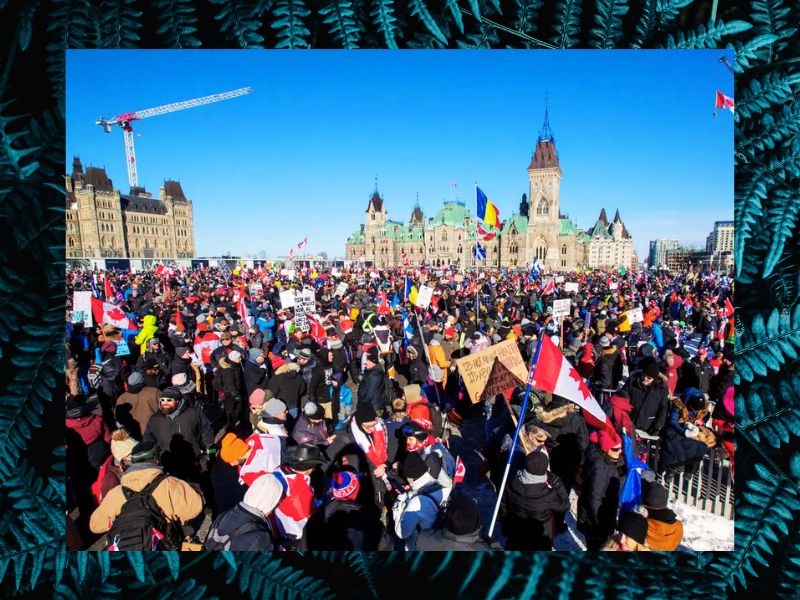
They called them troublemakers. The media branded them extremists. Governments painted them as threats to public safety. Yet, when Chris Barber and Tamara Lich stood in an Ottawa courtroom, on October 7, 2025, receiving conditional sentences for their roles in the 2022 Freedom Convoy, over 300 support letters – submitted earlier in their legal battle – told a different story: these are community members, parents, and everyday Canadians who dared to say “no, enough!” when their government crossed the line.
For Kiwis who stood on Parliament grounds in February 2022, watching police turn sprinklers on peaceful protesters and fire rubber bullets into crowds, this news from Canada hits differently. We know exactly what Barber and Lich faced. We lived our own version of their story, inspired directly by their courage, and we’re still fighting the same battle for bodily autonomy and medical freedom for all, including those who simply don’t get it yet.
The question isn’t whether these movements were justified. Courts have already answered that: Canada’s Federal Court ruled the government’s use of the Emergencies Act to quell peaceful protest was unconstitutional. So read that as illegal. The question is whether we’ll let governments forget the lessons of 2022, or whether we’ll keep demanding accountability for the toxic jab mandates that tore families apart, cost people their health and livelihoods, and violated fundamental human rights, including the most precious – the right to life.
The Sentences: What Happened in Court
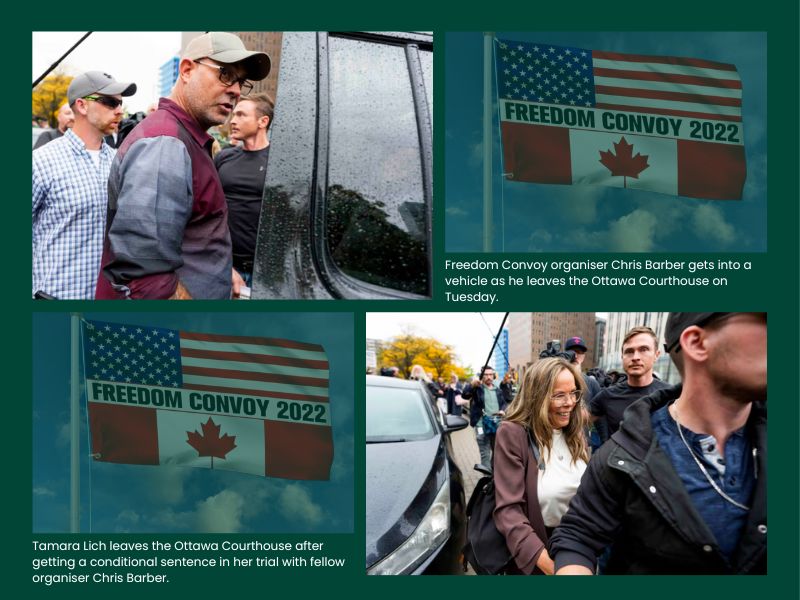
On October 7, 2025, in Ottawa Superior Court, two Freedom Convoy leaders received their sentences:
- Chris Barber, the Saskatchewan trucker who helped organise the convoy, received an 18-month conditional sentence: 12 months of house arrest followed by six months of curfew, plus standard conditions (e.g., good behaviour, no contact with co-accused without permission). Prosecutors had demanded eight years in prison for charges of mischief and counselling others to disobey a court order.
- Tamara Lich, the Métis grandmother who became the movement’s heart and raised millions in grassroots support, received an identical 18-month conditional sentence (12 months house arrest, six months curfew). Prosecutors had sought seven years behind bars, labeling her “the face of the convoy” as if leadership were a crime rather than an obligation felt and honoured.
Both were found guilty of mischief in April 2025, with Barber also convicted of counselling to disobey a court order. Both endured over three years of restrictive bail conditions, their lives in legal limbo for standing up for freedom. During sentencing submissions in July 2025, their defense teams presented hundreds of support letters – over 300 in total. These letters, previously submitted and referenced but not read aloud in court on the day of sentencing, testified to their character, highlighting their roles as community pillars and the convoy’s broader impact on inspiring hope and defending freedoms. The judge acknowledged their cooperation, clean records, and the convoy’s “positive impacts” in spotlighting fundamental rights, opting for community-based sentences over incarceration.
Yet here’s what matters most: potentially they faced nearly a decade in prison for organising a peaceful protest. Let that sink in.
Why Every New Zealander Should Care
When Ottawa’s streets filled with trucks and Canadian flags in January 2022, something shifted globally. People who’d felt isolated, silenced, and bullied by their own governments suddenly saw they weren’t alone. Within weeks, that spark had crossed the Pacific Ocean.
On 8 February 2022, as Canadian police were forcibly clearing Parliament Hill with batons and arrests, vehicles began converging on Wellington from every corner of New Zealand. What happened next wasn’t just a protest. It was proof that Kiwis would stand for the same principles Canadians were fighting for: the right to make our own medical decisions, the right to work without coercion, the right to live and without government controlling our bodies.
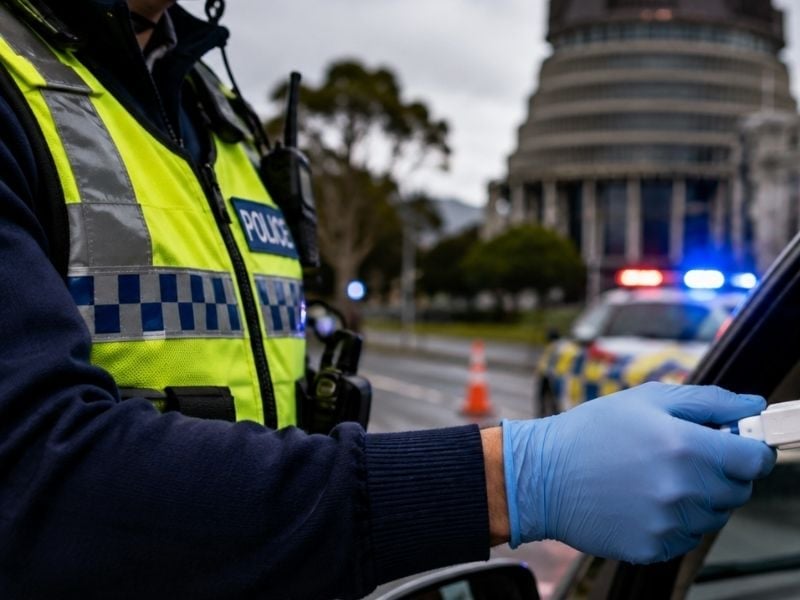
For 24 days, Parliament grounds became a community. People camped and built amenities together. Barbecues fired up. Haka rang out alongside chants of “Freedom!” Canadian flags flew in solidarity with those who’d shown us the way. At its peak, 8,000 people stood together, representing every region, every background, united by one simple belief: our bodies, our choice. Our message boiled down to this: tyrannists, crawl back under your rock! The government’s response told us everything we needed to know about how far they’d strayed from representing the people. Barry Manilow played on repeat to break our spirits. Sprinklers soaked protesters, including children, in stormy February weather. When we wouldn’t leave, they eventually brought sound weapons, rubber bullets and tear gas.
Two hundred and fifty arrests. Scenes of violence unprecedented in modern New Zealand history. All because people dared to question vaccine mandates, to exercise informed consent, to insist that losing your job for refusing an experimental medical treatment that can kill was wrong.
The Costs of Standing Up
The parallels between Canada and New Zealand aren’t coincidental. Both governments responded to peaceful movements with extraordinary force. Both used the legal system to punish participants. Both hoped lengthy prosecutions would discourage others from speaking out.
- In Canada: 270 arrests. Bank accounts frozen without due process. The Emergencies Act invoked for the first time since its creation, granting wartime powers against citizens exercising their rights. Three years later, Barber and Lich are still paying the price, facing house arrest for their leadership.
- In New Zealand: 250 arrests. Approximately 220 people charged with offences ranging from trespass to assault. Over 170 charges eventually withdrawn, suggesting many were unjustified from the start. Those convicted faced fines, community service, and good behaviour bonds. Some, like Richard Sivell, received prison sentences for speech-related offences tied to the protest (e.g., threatening former PM Jacinda Ardern, sentenced July 2025).
The Independent Police Conduct Authority later found six instances of excessive or unlawful force by police. Intelligence failures. Safety breakdowns. Yet no-one in authority faced consequences for those failings.
Meanwhile, protesters and those they represented carried the stigma. Lost jobs weren’t returned. Reputations weren’t restored. Families remained divided. The punishment goes beyond the legal realm, extending into lasting social and economic devastation for daring to dissent.
Vindication: When Courts Confirm We Were Right
What won’t the establishment media emphasise?
Canada’s Federal Court ruled in January 2024 that invoking the Emergencies Act was unconstitutional. The very legal foundation the government used to crush the Freedom Convoy was found to violate the law. This wasn’t a minor technical error. The court found the government had no legal justification for the extraordinary powers it seized. Every frozen bank account, every warrantless arrest, every emergency measure used against peaceful protesters rested on unconstitutional authority.
The protesters were right. The government was wrong. The courts confirmed it.
New Zealand hasn’t had that reckoning yet. No impartial review has yet reported on whether our government’s pandemic response, including mandates that forced health workers, teachers, police officers, and defence force members out of their careers, was proportionate or lawful. No court has ruled on whether the rights violations we experienced met any legitimate legal threshold.
But Canada’s precedent matters. It shows that governments can overreach, that emergency powers can be abused, and that citizens who resist can ultimately be vindicated. It gives us a roadmap for the accountability we’re still seeking here.
The Real Heroes of 2022
Tamara Lich wasn’t a career activist before 2022. She was a grandmother who saw injustice and decided someone had to act. Chris Barber was a trucker doing his job until the government told him he couldn’t work anymore without submitting to coercion. Both became leaders because circumstances demanded it.
The same is true for countless New Zealanders who came to Parliament grounds. Teachers who’d spent decades serving their communities, forced out for refusing an injection. Nurses who’d worked through the pandemic’s scariest days were then discarded when they asked questions about vaccine safety. Police officers who swore to uphold the law being punished for exercising medical freedom. Defence force members who’d served their country were dismissed for defending bodily autonomy.
These weren’t fringe figures or troublemakers. They were us. They were our neighbours, our colleagues, our friends. They represented everyone who’d been silenced, threatened, or coerced. They stood when others wouldn’t.
The media called them selfish. Politicians called them dangerous, a “river of filth”. Three and a half years later, many still carry those labels. But history will record something different: they were people of principle who refused to comply with unjust demands, who sacrificed their comfort and security to defend rights that belong to everyone.
What We’re Still Fighting For
The mandates have largely ended, but the fight hasn’t. This news from Ottawa matters for New Zealand’s ongoing struggle because:
- Vaccine Injuries Remain Unacknowledged: People are dying or suffering debilitating side effects with minimal support or official recognition. The same government that mandated these treatments now refuses to properly investigate or compensate the harmed. The press remain obedient purveyors of lies and deception. See recent media articles here and here.
- Careers Haven’t Been Restored: Health workers, teachers, and others who lost their jobs remain unemployed or underemployed. No apology. No compensation. No admission that firing skilled professionals over personal medical decisions was wrong.
- Trust Remains Shattered: The doctor-patient relationship, the teacher-student bond, the social contract between citizens and government, respect for the legal profession and mainstream media – all damaged, perhaps irreparably, by policies that forced compliance over consent.
- Precedents Are Set: Governments now know they can invoke emergency measures, restrict freedoms, and mandate medical treatments. Without accountability, what stops them from doing it again with the “next crisis”?
- Free Speech Is Threatened: People are still afraid to speak openly about their experiences, concerns, or views on pandemic policies. The social and professional costs of dissent remain high. But the cost of silence is becoming biblically large.
This is why Barber and Lich’s sentences matter. This is why we can’t let the world forget what happened in 2022. This is why the movement that started in Ottawa and spread to Wellington and elsewhere must continue.
Our Path Forward
The Freedom Convoy showed what’s possible when ordinary people unite across differences. Truckers and teachers. Pasifika and Pākehā. Urban and rural. Left and right. All standing together for a principle that transcends politics: our bodies belong to us, not the state.
Canada’s court vindication proves that standing up was right. The relatively lenient sentences (compared to what prosecutors demanded) suggest even judges recognise that peaceful protest isn’t terrorism, that organising your community isn’t conspiracy, that saying “no” to unjust mandates isn’t criminal.
But the years of legal limbo, the house arrest, the ongoing restrictions on Barber and Lich’s freedom remind us: governments don’t surrender power easily. They punish dissenters. They make examples. They hope fear will keep others in line.
We can’t let it work.
Every New Zealander who stood at Parliament, who lost their job, who faced discrimination for their medical choices, who watched helplessly as rights eroded – you were right to resist. Every person who stayed silent but knew something was wrong – your instincts were correct. Every family torn apart by these policies deserves help and healing.
The movement from Ottawa to Wellington proved that resistance crosses borders, that freedom resonates universally, that ordinary people can challenge extraordinary power. Three and a half years later, with Canadian convoy leaders facing house arrest and New Zealand protesters still seeking justice, the message remains urgent:
We will not forget. We will not comply with unjust mandates. We will demand accountability. We will protect medical freedom. We will ensure this never happens again.
From Canada to New Zealand, the spark still burns. The convoys may have ended, but the movement for freedom and human dignity continues. Chris Barber and Tamara Lich’s courage helped light that fire. Now it’s our responsibility to keep it alive.