
Dr Bernard Conlon – A True Hero in the Battle for Medicine’s Soul
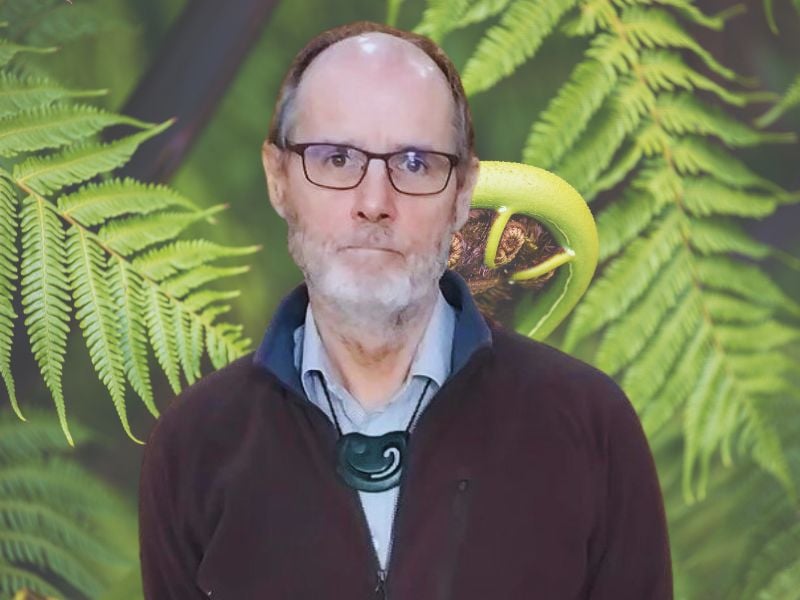
For 35 years, Dr Bernard Conlon has been a trusted GP in Murupara. After advocating for early covid protocols and recording zero deaths, he now faces the final stage of a four-and-a-half-year Medical Council battle for choosing clinical freedom and informed consent over official policy.
In the heart of Murupara, Irish doctor Dr Bernard Conlon has worked as a general practitioner alongside his wife Dr Britta Noske for more than 35 years. During that time he has become a highly regarded member of the local community where many people see him as a trusted healer and unifying figure.
When the covid-19 pandemic reached New Zealand Bernard chose to focus on building the immunity of his patients and he developed early treatment protocols that included vitamin C, vitamin D and zinc supplements – all with the clear intention of keeping people well and out of hospital during a frightening period when official guidance offered very limited options for community-based care.
Like others of us at the time, Bernard’s instinct was to use skill, experience and innovation in facing a new disease, rather than cower away and wait for people to turn blue and have to call an ambulance. It was easy to find successful models of care by overseas doctors who had the whole of 2020 to verify what worked.
In the end over 1500 patients were treated with early treatment protocols with outstanding results – no deaths and only 6 hospital admissions (4 of those in fully vaccinated individuals).
However, thanks to complaints from local colleagues for his politically incorrect stance on the novel mRNA injections, over the past four-and-a-half-years Dr Conlon has faced an ongoing disciplinary process that started in late 2021 and included a four month suspension during the height of a community covid outbreak. A two–week Tribunal hearing has just been held at the end of the nearly four-and-a-half-years.
The Long and Winding Road Nears Its End
During the Tribunal hearings the lawyers representing the Medical Council’s Professional Conduct Committee (PCC) stated that Dr Conlon had repeatedly ordered ivermectin over a significant period of time, yet the facts show that he made only one order (which was separated into four or five packages for practical reasons) but this point was only clarified late in the proceedings.
One witness for the PCC, from Medsafe, who had no clinical experience in medicine or in treating patients, was presented as an expert and gave evidence that was later shown to contain inaccuracies. However, the process allowed her statements to remain unchallenged for a full week before Dr Conlon could respond. This highlighted some of the procedural slants to the hearings which can so disadvantage the accused doctor.
Dr Conlon also received public criticism in the media for describing the mRNA vaccines as gene therapy although this term has been used openly in scientific literature and by some regulators and the manufacturers themselves – and during the Tribunal the main PCC witness, vaccinologist Dr Petousis-Harris herself agreed that it is reasonable to refer to the mRNA platform in that way. This is a huge concession which NZDSOS has asserted from the start.
She further conceded various other points raised by Dr Conlon including the value of vitamin C, vitamin D and zinc; the credibility of international experts such as Peter Doshi and Dr Philip Altman; and that by her definition there was no evidence of vaccine effectiveness until mid-2021 – which was after Dr Conlon had already been providing the care he is charged with, based on the information available to him at the time.
Pharmaceutical regulatory expert Dr Philip Altman provided a much need counter to Dr Petousis-Harris but he was “outed” as correctly skeptical of much of the pandemic management, with ongoing concerns about vaccine safety generally. Observers sensed the Tribunal members turned against his evidence at this point, and that his status as an expert, as was Bernard’s, was denigrated by Mr Bain, the lawyer acting for the PCC. We have long noted this weapon used by the establishment, where it elevates its own witnesses and impugns everyone else, no matter how little (or zero) evidence their experts bring. We have labelled this the Pfizer deference, and it is alive and well.
A Rock for His Community
Throughout the entire four-and-a-half-year period Dr Conlon maintained his focus on patient wellbeing and he received consistent support from the people he has served. More than one hundred predominantly Māori community members attended the Tribunal hearings each day to show their appreciation for the doctor who has stood by them for decades. This strong turn out by loyal patients was noted and hopefully internalised by the Tribunal.
The chair Mr Truc Tran established a good working relationship with Pem Bird a senior Ngāti Manawa kaumatua, and the community appreciated his consistent efforts to ensure public access throughout the Tribunal process.
The respect for Bernard is deserved, from his long record of dedicated service and from the way he has educated and supported the community through challenging times, resulting in a sense of shared purpose.
It was very clear that the community had long given Dr Conlon their trust as their GP, and as such he treasured it as the taonga that it is. As an example of this, he mentioned at the Tribunal that he had not been prepared to use this relationship to persuade his patients to go for the experimental gene vaccine; rather he presented the evidence from overseas experience to allow patients to decide themselves what they wanted to do.
A recurrent theme for the PCC was that perhaps such evidence might have resulted in putting some patients off the vaccine – a common theme for a range of the charges. Dr Conlon reiterated that his priority was that the criteria for informed consent were met.
As previously noted, a repeated position advanced was that GPs do not have the academic authority to decide on alternative clinical positions from recognised local experts and their associated local guidelines. As such the PCC argued that any evidence presented to the Tribunal to justify any such deviation had inferior validity compared to the positions stated by the national experts.
But it seems to us that since almost all vaccinations have been given in general practice, GPs like Bernard are ideally placed, nay expected, to be experts in the injections they administer.
A Tale of Two (most recent) Tribunals
Bernard’s case shares similarities with that of another doctor in our organisation Dr Caroline (Yashu) Wheeler and further details of her situation are available in the article on our website here: https://nzdsos.com/2026/02/19/battle-soul-of-medicine-yashu-vs-goliath/.
Talking of Dr Wheeler’s Tribunal, the attitude of Bernard’s Tribunal Chair to recording and note-taking – discussing even – by the audience was quite contentious and needed to be clarified by a lawyer acting on behalf of the attending Murupara kaumatua. Tim Bain, the prosecuting PCC lawyer, had stated at the start – when speaking against NZDSOS having media status – that he thought our account of Yashu’s Tribunal was “unbalanced”.
Yashu and Bernard’s Tribunals had another commonality. Many people attending were deeply uncomfortable with the use of patient names as various case files were presented by the respective PCCs, in evidence against them. Couldn’t they have used numbers, or initials instead? Yes the Chair did place name suppression for these patients, but the assembled crowds still were party to totally unnecessary breaches of their rights to medical privacy. We think this ignoring of Medical Ethics 101 needs addressing urgently by the HPDT hierarchy.
Dr Bernard Conlon has demonstrated himself to be a genuinely dedicated and compassionate doctor whose main concern has always been the health and wellbeing of his patients and his actions have shown the importance of tailoring care to local needs while working with the best available evidence at the time.
The community in Murupara continues to hold him in the highest regard as a unifying and positive presence and NZDSOS stands with him in support of clinical freedom and patient-centred medicine that places real-world outcomes and old-fashioned dedication at the centre of care.
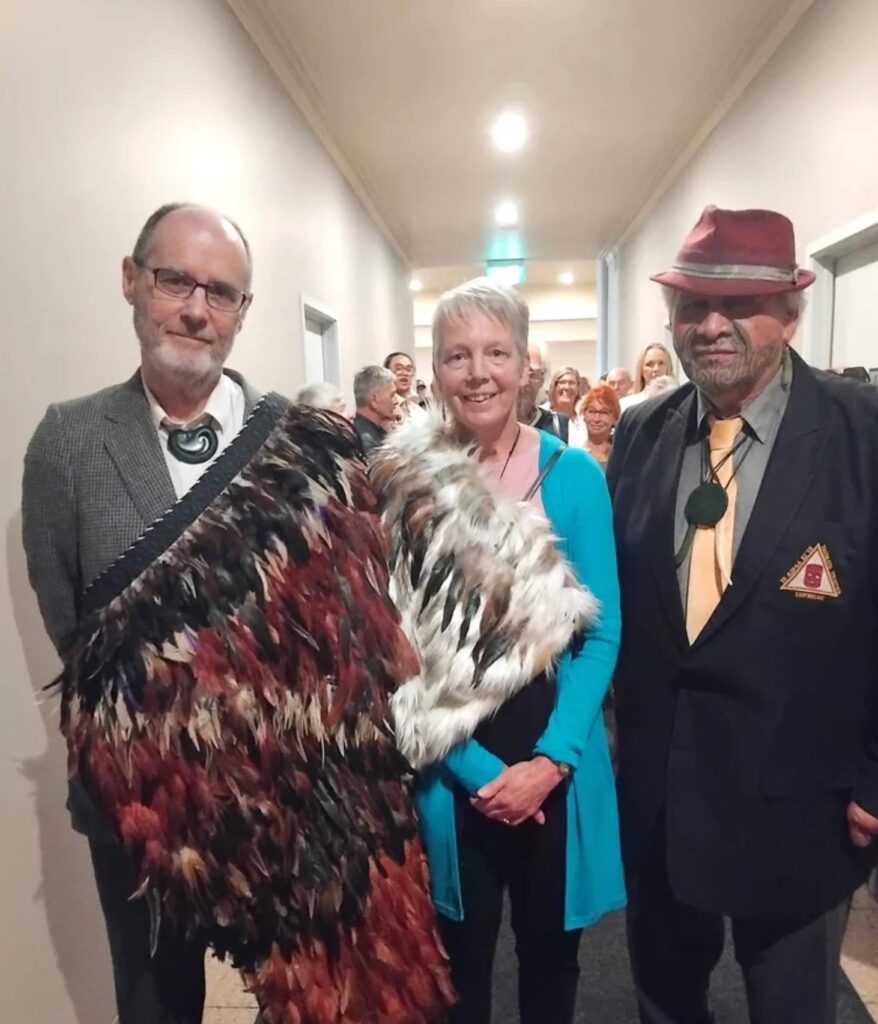
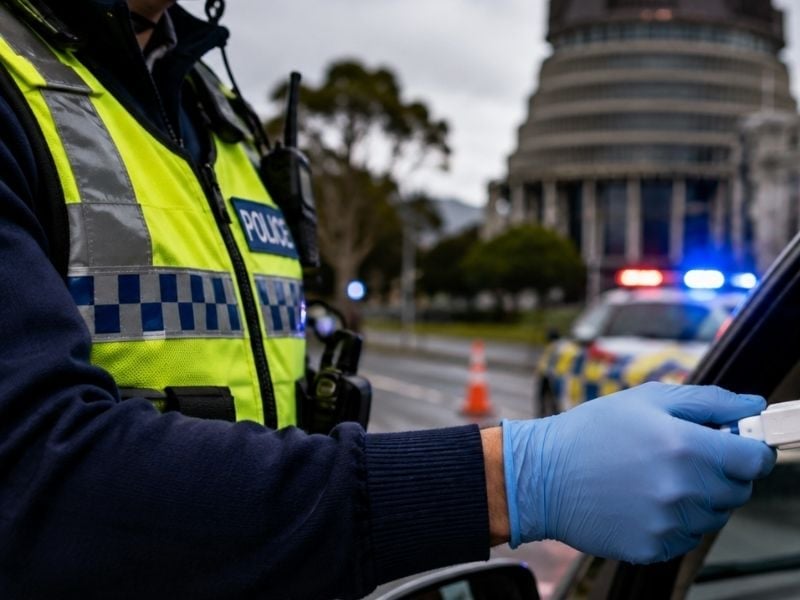
Image used for criticism, review and reporting of current events under Fair Dealing provisions of the Copyright Act 1994.









Thank you for this poignant portrayal of yet another good and caring doctor’s bludgeoning using lawfare by the corrupted New Zealand medical council. A little more investigation might just possibly show the PCC’s attorney, Mr Bain having attended training session(s) put on by the FSMB, specifically catered to Medical Council/Board attorneys. No doubt one of the “tricks” taught there would be the process (you so succincly described) on how to denigrate the doctor’s defense expert in front the Trubunal, and thus cast doubt over his testimony. A dirty, amoral, and repugnant tactic worthy of the Federation of State Medical Boards and their international arm, IAMRA, whose recent Chair was the CEO of the New Zealand Medical Council.